Focused arrival windows
Useful updates and clear arrival timing.
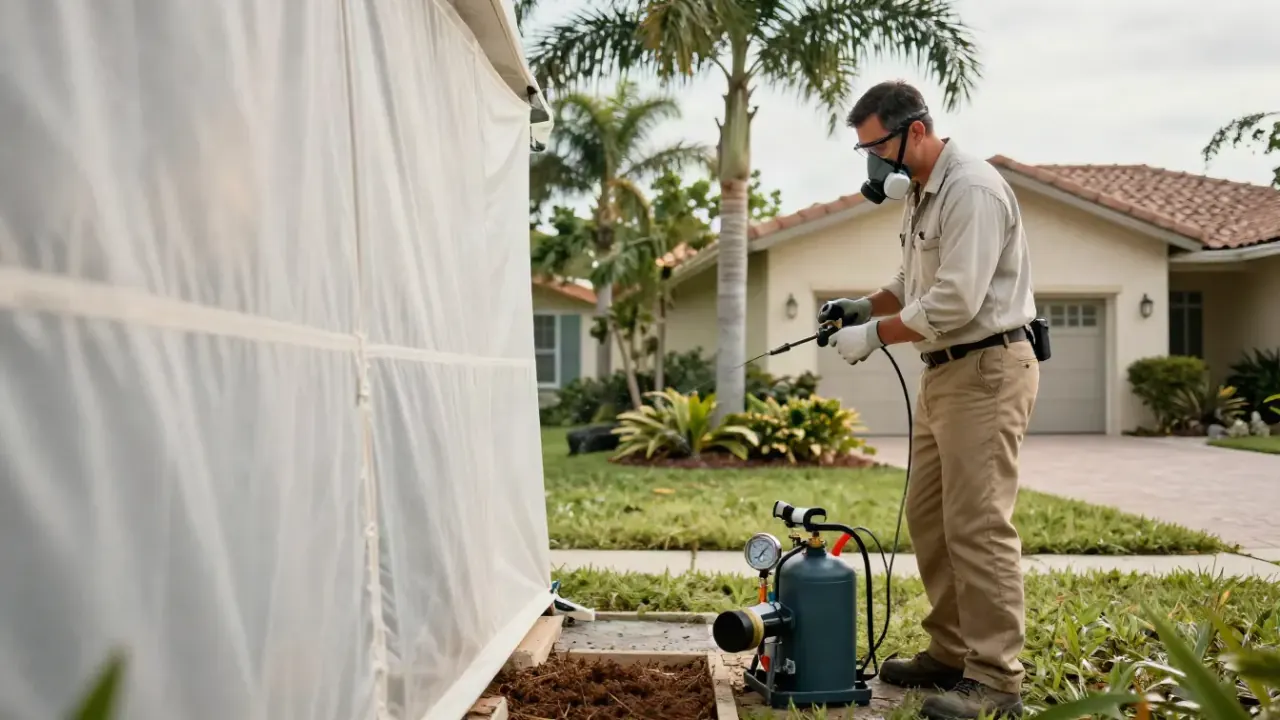
Termite treatment in tormond beach, Florida means killing the colony in your soil or framing, not just spraying what you can see. We inspect, identify the species, and treat with EPA-registered termiticide or bait. Whether you found mud tubes on a slab or frass under a window sill, we handle it. Same-day termite control tormond beach appointments are available for active infestations.
Useful updates and clear arrival timing.
Review the approach and price before deciding.
Equipped vehicles and respectful cleanup.
Neighbors serving neighbors with follow-through.
Every treatment starts with a real inspection and ends with warranty paperwork in your hand. What follows is the core scope. Fumigation, crawl-space encapsulation, and damaged-wood repair are quoted separately because the cost swings hard with square footage and access.
A State Certified Termite Inspector probes the foundation, slab edge, garage, attic, and interior walls, using a moisture meter and thermal imaging camera on suspect areas. You get findings on species, active versus old damage, and the treatment zone.
Subterranean and drywood termites get different chemistry and placement. We write the plan around what is actually in your house, whether that is soil injection, bait stations, borate wood treatment, or full-structure fumigation.
We apply EPA Registered Termiticide at labeled rates and document the product, concentration, and placement. Termidor, Altriset, and Advance Termite Bait are all in our rotation depending on soil and foundation type.
Trenches get backfilled, drilled slabs get plugged and sealed with caulk and sealants, and the work area is left clean. You should not be able to tell where we trenched except for the treatment record we leave with you.
You receive written warranty coverage on the treated zone plus a scheduled re-inspection. If termites return inside that zone, we retreat at no charge. Coverage is transferable if you sell the house.
Share what is happening and receive a clear next step from the local team.
Termite treatment in tormond beach, Florida is a licensed pest-control service that eliminates subterranean and drywood termite colonies using soil termiticide, in-ground bait stations, or structural fumigation. It is needed when you find termite mud tubes, swarmers, frass, or soft, hollowed wood. A State Certified Termite Inspector probes the slab edge, foundation, and crawl space, then maps the infestation before any chemical goes down. Treatment is not a spray-and-go job. It is a targeted application matched to the species, the construction type, and how far the colony has spread through the structure.
In tormond beach, termite pressure runs all twelve months because the sandy soil stays warm and the humidity rarely drops. Subterranean termites tunnel up through slab cracks and expansion joints; drywood termites fly straight into attic framing and window trim. We see recurring termite activity most often in homes built before 1990, where untreated wood sits close to grade. If you have been searching termite treatment in tormond beach near me after a swarm, that timing matters: swarmers usually mean a mature colony within 100 feet of the house.
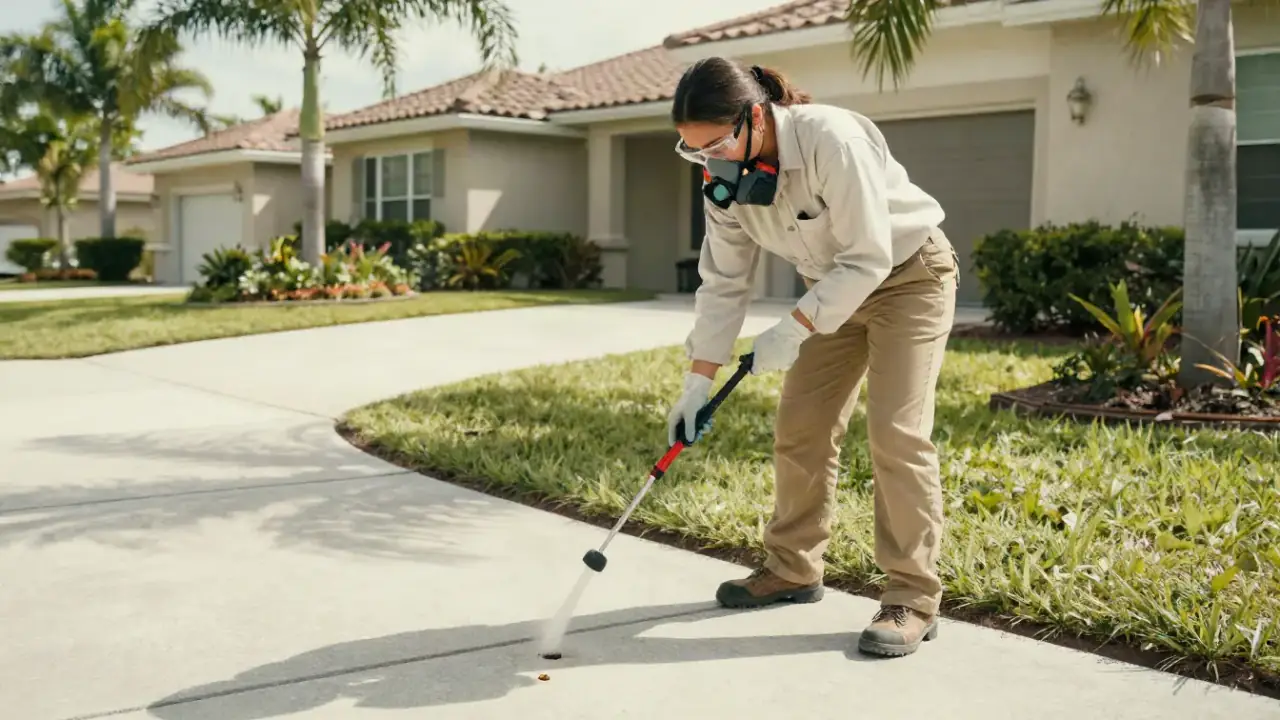
You describe what you found: swarmers, mud tubes, frass, or soft trim. We ask the age of the house, slab or crawl space, and whether you have seen activity before. That call takes five minutes and tells us whether you need a spot treatment or a full structural plan.
A State Certified Termite Inspector probes the foundation, slab edge, garage, attic, and every exterior wall. We use a moisture meter on suspect framing and a thermal imaging camera to read temperature differences behind drywall. Expect 45 to 90 minutes depending on square footage.
Subterranean and drywood termites need different chemistry and different placement. We confirm the species, mark the galleries, and write the plan: soil termiticide, bait stations, borate wood treatment, or tenting. You get the price and the timeline in the same visit.
For soil work we trench and rod the perimeter, inject Termidor or Altriset at labeled intervals, and seal back. Bait installs run 8 to 12 stations around the structure. Fumigation is scheduled separately with tenting equipment and fumigation tarps, and the house is clear to re-enter after the clearance reading.
We return at the scheduled interval, check the stations or the treated zone, and document what we find. Your warranty paperwork is issued at that point. Annual re-inspections keep the coverage active and catch new activity before it becomes structural damage.
Used to check slab edges, sill plates, and crawl spaces for mud tubes and hollowed wood. A bright, narrow beam catches the shine of fresh termite galleries that a phone light misses.
Reads water content in framing and trim. Termites need moisture, so a high reading tells us where to focus the inspection and whether a plumbing or drainage issue is feeding the colony.
Shows temperature differences behind drywall and in attic framing, which reveals active galleries and moisture pockets without cutting the wall open.
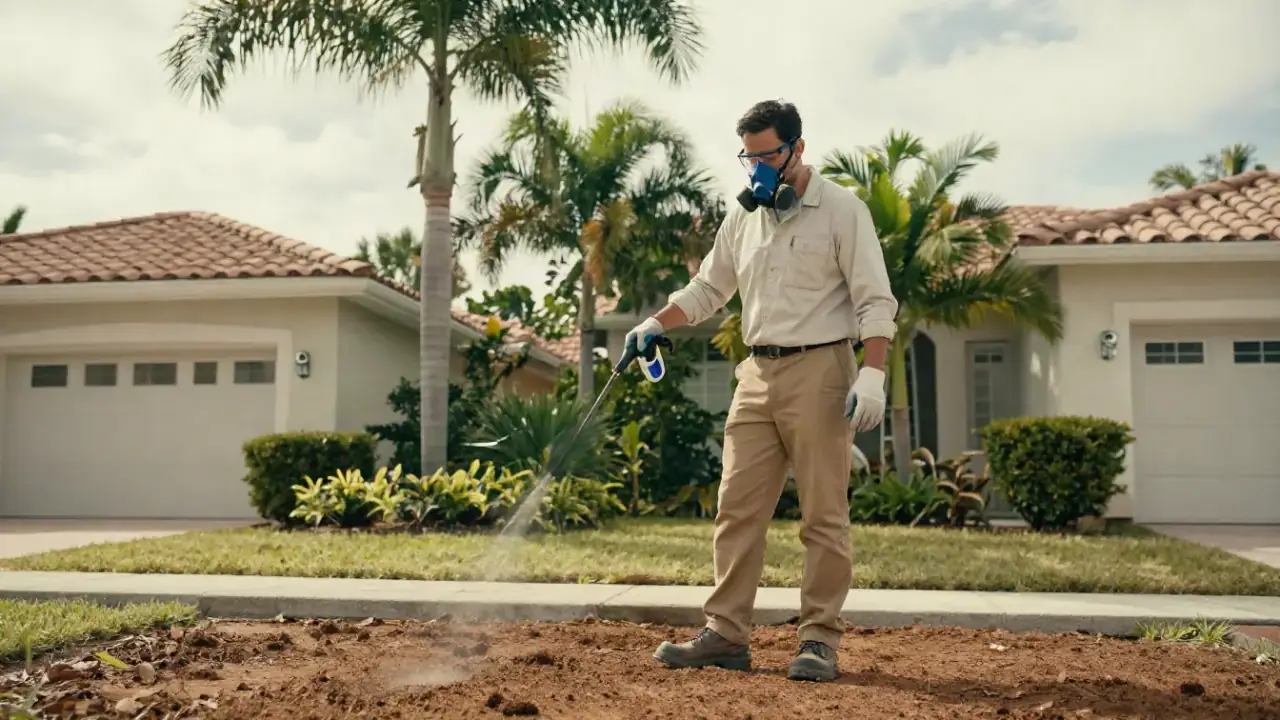
Delivers termiticide at the correct depth and interval along the foundation. Rodding gets product under slabs and into the soil zone where subterranean termites actually travel.
Installed in the ground around the structure to intercept foragers. We service them on schedule and replace bait as it is consumed, which keeps the system working year-round.
Used for full-structure fumigation when drywood termites have spread beyond what spot treatment can reach. Tarps are sized to the building and sealed before gas is introduced.
A non-repellent liquid termiticide applied by trenching and rodding the perimeter. Termites pass through the treated soil without detecting it, transfer the active ingredient through the colony, and the population collapses over several weeks.
In-ground stations placed at 8 to 12 points around the structure. Foragers carry bait back to the colony, which is the right approach for homes where a full liquid barrier is impractical or where the soil drains too fast to hold termiticide.
Applied to exposed framing, sill plates, and replacement lumber. Borate penetrates the wood and makes it indigestible to termites, which protects the structure between liquid treatments and during construction.
The structure is tented and fumigation gas is held at the required concentration for the full exposure period. It is the only method that reaches drywood galleries inside wall cavities and attic framing, and the house is cleared by air reading before re-entry.
We inspect to confirm the damage is inactive, document it clearly for the lender, and install bait stations or a soil treatment as a preventive barrier. The report is written so the closing does not stall on ambiguity. You close on schedule with a treatment warranty in place and a documented baseline for future inspections.
We map the galleries, trench and rod the full perimeter, inject EPA Registered Termiticide at labeled intervals, and seal the slab penetrations. Bait stations go in as a monitoring layer. The active colony is eliminated and the structure has a treated barrier with annual re-inspection coverage.
We confirm drywood termites with a thermal camera and probe, treat accessible galleries with foam insecticide and borate wood treatment, and evaluate whether the spread requires full tenting. The infestation is knocked down, the framing is protected, and you know exactly which areas need monitoring next season.
We re-inspect the whole structure, identify why the previous treatment failed, and switch approach, usually from a partial spot treatment to a full perimeter soil treatment or a serviced bait system. Recurring termite activity stops, and the property stays covered under a warranty that transfers between tenants.
Termite work in tormond beach is shaped by three things: warm sandy soil, high humidity, and a housing stock that ranges from 1950s block homes to newer stucco-over-frame builds. The sandy soil drains fast, which means liquid termiticide can move out of the treatment zone faster than it would in clay. We compensate by rodding deeper and, on the fastest-draining lots, pairing the soil treatment with bait stations. Humidity keeps wood above 20 percent moisture for much of the year, and that is the range where subterranean termites stay active. Beachside crawl spaces are the worst offenders because venting is poor and the soil underneath stays damp. If you are comparing termite control for houses tormond beach Florida options, ask any company how they handle crawl-space moisture, because a treatment that ignores it will fail. We also see drywood pressure in older attic framing, which is why we check the attic on every inspection, not just the slab.
Older block and frame homes with mature landscaping. Irrigation heads close to the foundation keep the soil damp and create easy termite entry points.
Beachside crawl-space and slab homes with a high water table. Moisture readings under these houses run high, so we treat the soil and the wood.
Larger lots with heavy oak canopy. Shade keeps soil temperatures stable and termites forage later into the year than on open lots.
Established golf-course neighborhood with mature trees and older slab construction. Expansion joints and plumbing penetrations are the usual entry points.
Liquid termiticide can leach below the treatment zone sooner than in clay. We rod deeper and add bait stations on the fastest-draining lots to keep coverage continuous.
Wood stays in the moisture range termites prefer, so colonies do not go dormant in winter the way they do further north. Inspections run all twelve months.
Crawl spaces stay damp and soil treatments need different placement. We check groundwater depth before choosing between liquid and bait.
Pre-1990 homes often have untreated wood at grade, while newer builds use different framing and stucco systems. The treatment plan changes with the build.
Mud tubes ran up the garage slab edge and into the wall behind the water heater. The homeowner had seen swarmers twice that spring and the previous company had only spot-sprayed the visible tubes.
We trenched and rodded the full perimeter with Termidor, treated the interior slab penetration, and installed 10 bait stations. At the 60-day re-inspection there was no new tube activity and the moisture reading at the water heater had dropped.
Maintenance: Annual re-inspection plus station service twice a year. Keep irrigation heads at least 18 inches off the foundation and fix any drip within a week.
Frass was falling onto a bedroom ceiling and the homeowner could hear activity at night. A thermal scan showed drywood galleries across three framing bays in the attic.
Spot treatment would not have reached all three bays, so we tented the house. The clearance air reading came back clean, and a follow-up inspection 30 days later showed no new frass.
Maintenance: Borate wood treatment on exposed attic framing and an annual inspection. Keep attic vents screened and fix any roof leak that raises wood moisture.
A rental had been treated twice in four years and termites kept returning to the same corner of the lanai. The prior treatments were partial spot applications with no perimeter barrier.
We treated the full perimeter, sealed two slab penetrations that had been missed, and put the property on a serviced bait system. No active termites at the 6-month and 12-month re-inspections.
Maintenance: Keep the bait stations serviced on schedule and re-inspect annually. The warranty transfers if the property sells.
Termites work quietly and the damage is rarely covered by insurance. These are the calls we take most often in tormond beach, and what happens when they get ignored.
Subterranean termites are already inside the structure. Left alone, a mature colony can compromise framing and floor joists within two to three years. We trace the tubes back to the entry point, treat the soil along the foundation with Termidor or Altriset, and seal the penetration. Bait stations go in around the perimeter to catch foragers that were outside the treated zone.
Swarmers mean a mature colony nearby is releasing reproductives. Ignoring it usually means a new colony establishes within 100 feet of the house. We inspect for the source colony, confirm whether it is inside the structure or outside, and treat accordingly. If activity is inside, we move to same-day termite treatment tormond beach scheduling rather than waiting on a standard appointment.
Drywood termites are feeding inside the wood and pushing out pellets. By the time frass is visible, galleries are usually several feet long. We confirm with a thermal imaging camera, treat accessible galleries with foam insecticide and borate wood treatment, and recommend fumigation if the infestation has spread through multiple framing bays.
Wood rot from termites and moisture weakens trim, door frames, and sill plates. It spreads upward and inward, and it is expensive to repair once framing is involved. We treat the termites first, then address the moisture source with a moisture meter reading and drainage correction. Damaged wood is replaced and the replacement gets a wood preservative before it goes back in.
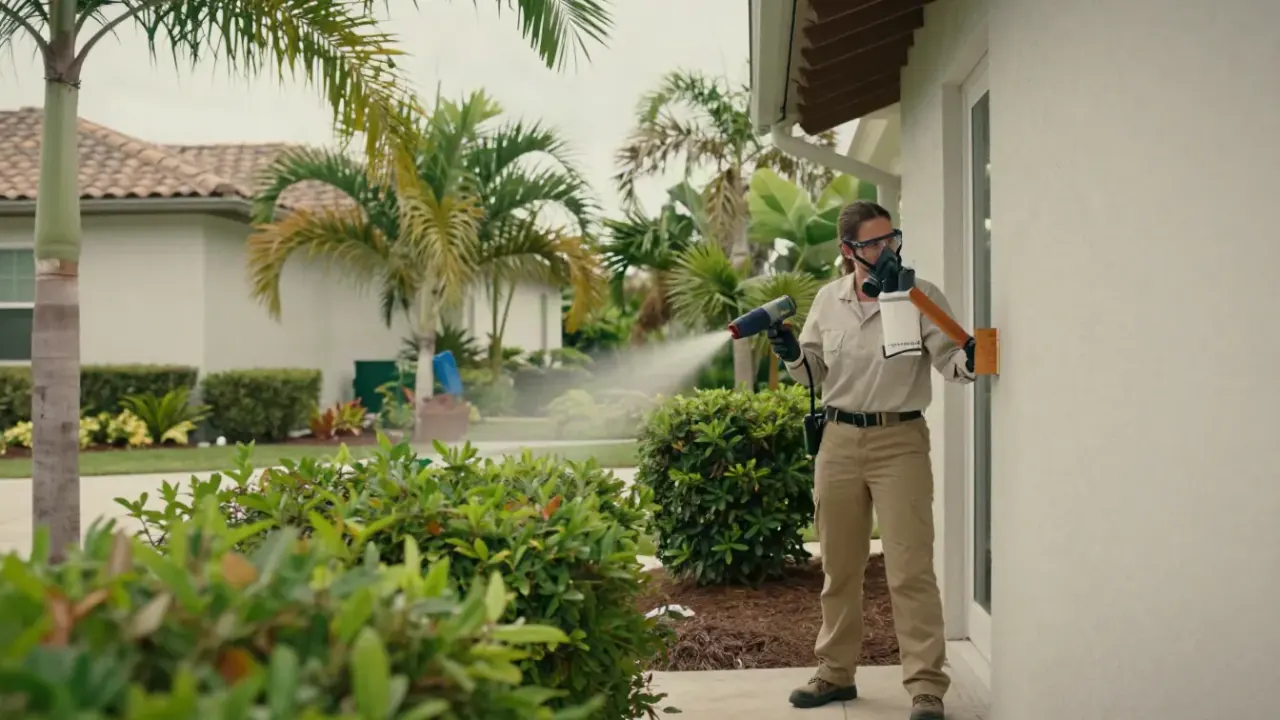
Our technicians hold Florida Department of Agriculture Pest Control Licenses and work under NPMA Certified and QualityPro standards. Every inspector on staff is a State Certified Termite Inspector, and every product we apply is an EPA Registered Termiticide. We work slab-on-grade, crawl space, and pier-and-beam construction across Volusia County, and we handle both residential and light commercial accounts. Local experience matters here: the same treatment that works in a dry inland climate fails on a beachside lot with a high water table, and we adjust the plan accordingly.
Most tormond beach homes fall between $450 and $2,400 for a full treatment in 2026. A single-family home on a slab with a standard perimeter usually lands near the lower end; larger footprints, crawl spaces, and multiple treatment zones push it higher. Fumigation for drywood termites is priced by cubic footage and typically runs $1,800 to $4,500. We quote after inspection, never over the phone.
For subterranean termites, a Termidor soil treatment or a Trelona bait system is the most reliable long-term answer, and which one wins depends on your soil and foundation. For drywood termites, structural fumigation is the only method that reaches every gallery in the framing. We recommend based on species and construction, not on what we prefer to sell.
A liquid soil treatment holds its label claim for five to eight years, and bait stations work continuously as long as they are serviced. Fumigation clears the structure immediately but does not stop new termites from flying in later. That is why we pair treatment with annual re-inspections and, where it makes sense, a borate wood treatment on exposed framing.
We do, and we cover the whole beachside corridor from Downtown Ormond Beach through Ormond-by-the-Sea. Call +15206081389 and describe what you found. If it is swarmers or live activity, we can often get a technician out the same day and have a treatment plan in your hands within 24 hours.
Not seeing your question? Our local team can help you understand urgency, scheduling and what to expect.
Ask the local team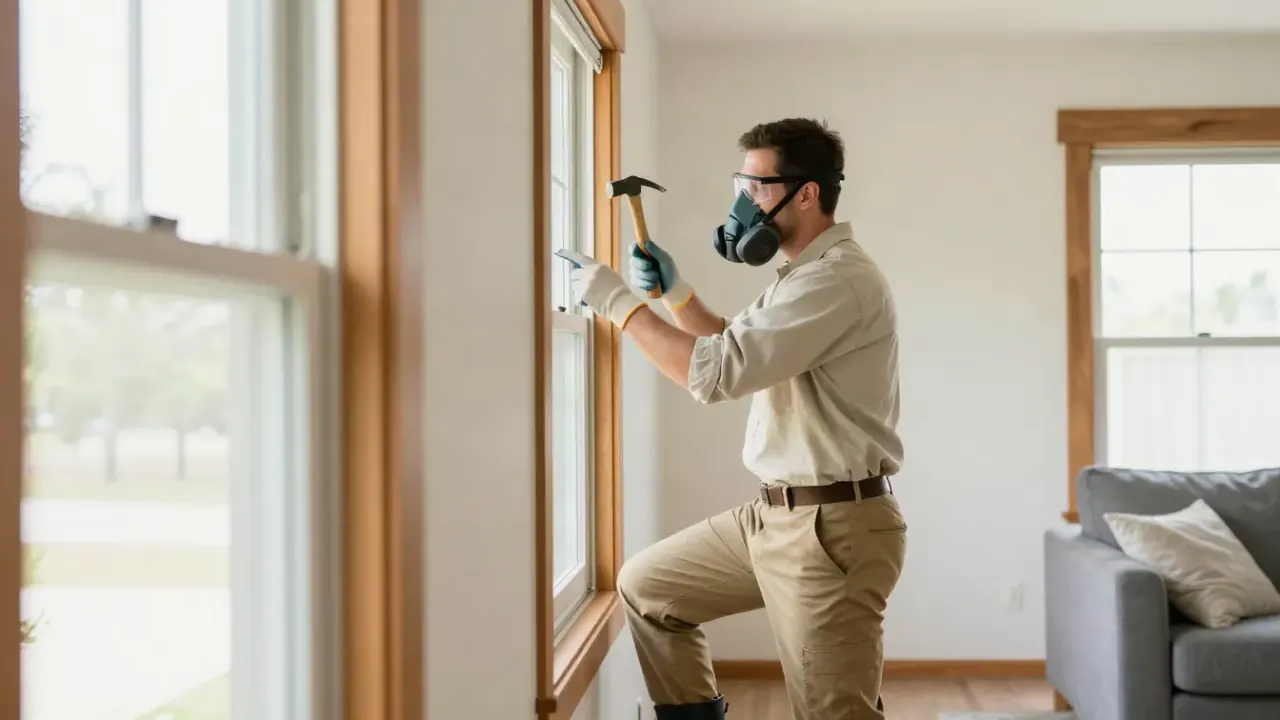
When drywood termites are spread through the attic and wall framing, spot treatment will not reach them. We tent the structure, run fumigation gas to the required concentration, and clear it with an air reading before you move back in.
View serviceA full inspection with a State Certified Termite Inspector is the starting point for every treatment and every real estate WDO report. We probe the slab, attic, and exterior, then document species and activity in writing.
View service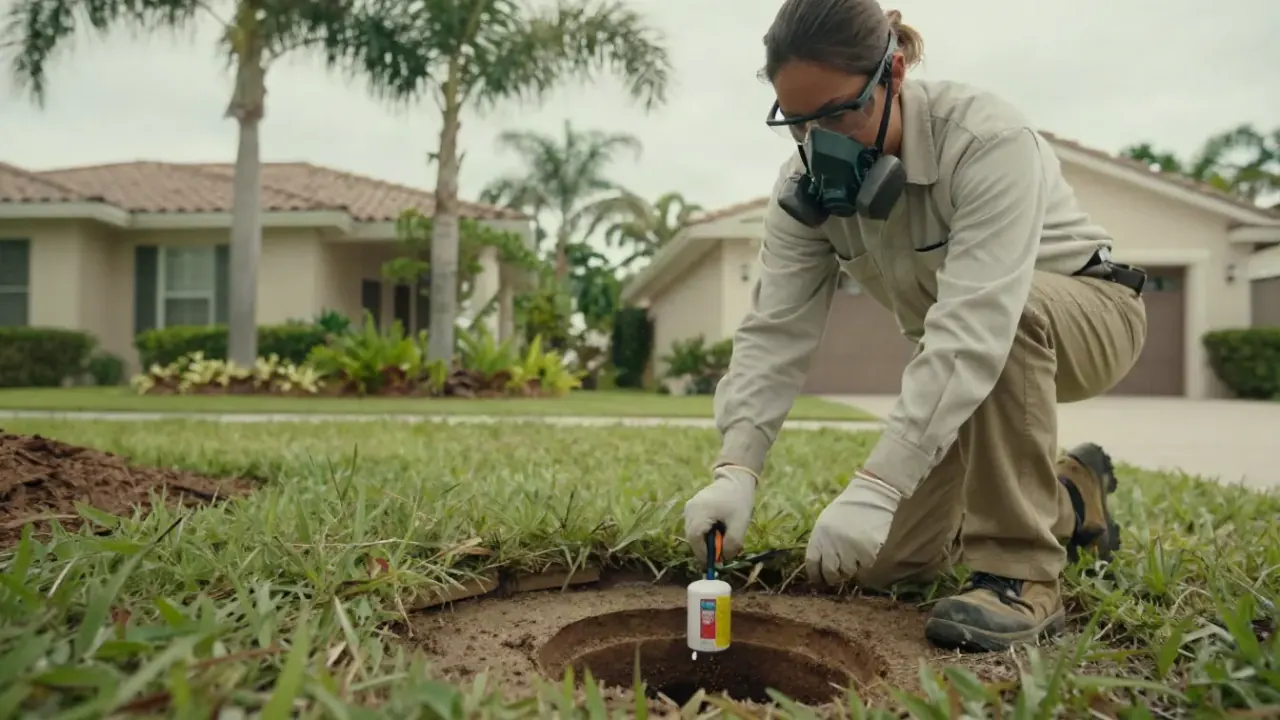
Soil-dwelling colonies come up through expansion joints and plumbing penetrations. We trench, rod, and inject EPA Registered Termiticide around the structure, or install and service bait stations that let the colony do the work.
View serviceDrywood termites live inside the wood and leave frass, not mud tubes. Treatment ranges from localized foam insecticide and borate wood treatment on accessible framing to full-structure fumigation when the infestation has spread.
View serviceCall us at +15206081389 or send a message and we will get back to you the same business day. We answer emergency termite calls 24/7, and most inspections in tormond beach get scheduled within 24 hours. Tell us what you are seeing and we will tell you what it likely is.