Focused arrival windows
Useful updates and clear arrival timing.
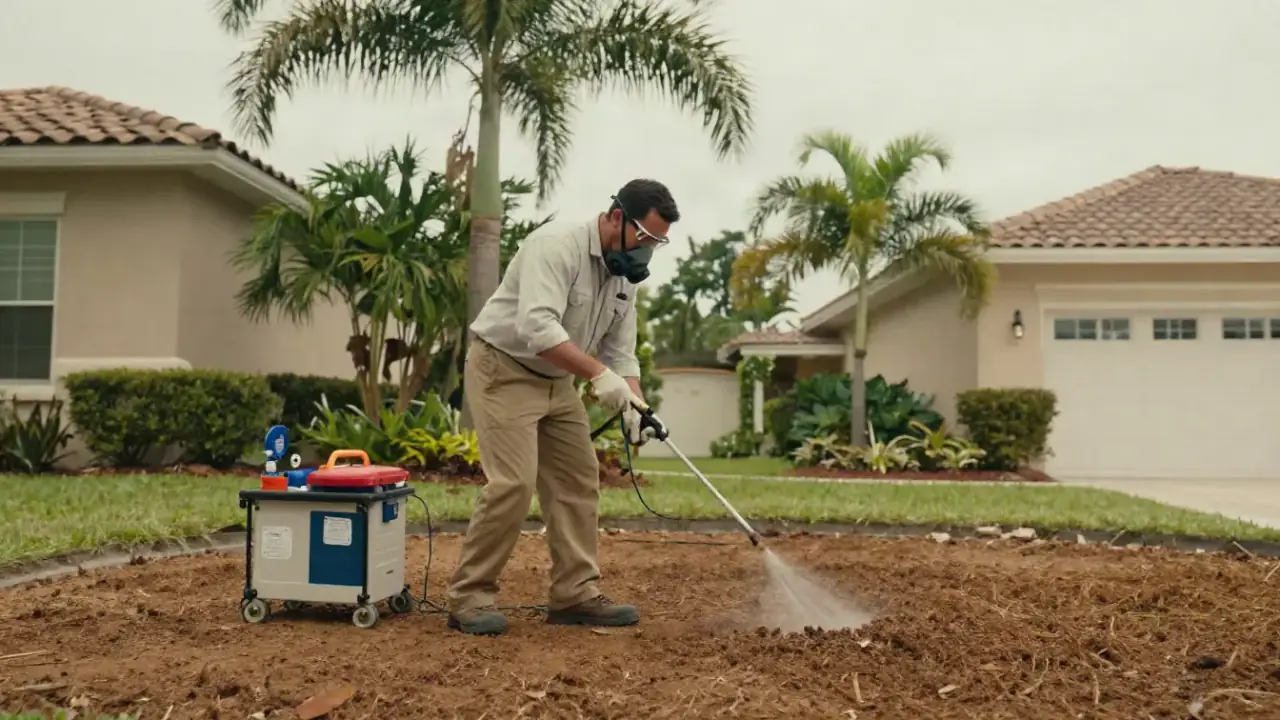
Termite tenting & fumigation in tormond beach, Florida is the fastest way to clear an active drywood colony from an entire structure at once. We tent the house, seal it, and hold a measured fumigation gas concentration long enough to kill every life stage inside the walls. If you have found termite frass, swarmers, or pin-sized kick-out holes in your trim, call us and we will inspect the same week.
Useful updates and clear arrival timing.
Review the approach and price before deciding.
Equipped vehicles and respectful cleanup.
Neighbors serving neighbors with follow-through.
Every tenting job we run includes the full sequence from inspection to clearance. Add-ons like bait stations and wood treatment are quoted separately, and we tell you which ones your house actually needs before you decide.
A State Certified Termite Inspector checks attic framing, sill plates, door headers, and crawlspaces with a termite inspection flashlight, termite probes, and a moisture meter. You get a written finding on drywood versus subterranean activity before any work is scheduled.
You get a plain prep list for food, medications, and pets, plus plant and furniture guidance. Our crew masks windows, seals vents and penetrations, and sets the fumigation tarps. Sealing is where most cheap jobs cut corners, and it is where we spend the most time.
We use EPA Registered Termiticide gas at the label rate and hold the concentration for the full exposure period, verified with exterior monitors and a thermal imaging camera. The hold is what kills eggs and swarmers deep in the framing, not just the workers near the surface.
After the tarps come down we run forced aeration and test interior air with calibrated monitors until readings clear. You receive a clearance certificate with a re-entry time, which is the document your buyer's inspector or lender will want to see.
The fumigation carries a warranty, and we return to verify the structure is clear. Where it makes sense, we quote termite bait stations or borate wood treatment on exposed framing so the repaired wood is protected going forward.
Share what is happening and receive a clear next step from the local team.
Termite tenting & fumigation in tormond beach, Florida is a whole-structure treatment: we cover the building with fumigation tarps, seal every opening, and release an EPA Registered Termiticide gas that reaches wall voids, attics, and subfloor cavities no spray gun can touch. The tent stays up while the gas is held at a lethal concentration, then we aerate and clear the structure with calibrated gas monitors before anyone walks back in. It is the only method that kills drywood termites already living inside finished walls.
Coastal Volusia County homes get hit hard. Warm, humid air off the ocean keeps wood above the moisture level drywood and subterranean termites need, and older block-and-frame houses near the beach have plenty of unpainted trim and attic framing to feed on. If you have priced termite fumigation near me tormond beach and gotten vague answers, we quote by structure size, not by guesswork. Most single-family homes here are tented and cleared inside two to three days.
A State Certified Termite Inspector walks the house with a termite inspection flashlight, termite probes, and a moisture meter, checking attic framing, door headers, and sill plates for frass, mud tubes, and soft wood. We confirm drywood versus subterranean activity and tell you whether tenting is the right call or a targeted treatment will do.
You get a written prep list: bag or remove food, medications, and pet supplies, and pull plants back from the foundation. Our crew masks windows, seals vents and plumbing penetrations, and sets the fumigation tarps. Prep usually takes half a day on a standard three-bedroom home.
We seal the structure and introduce the fumigation gas, then hold the concentration at the label rate for the full exposure period. A thermal imaging camera and exterior monitors confirm the envelope is tight. Nobody re-enters until the hold is complete and the gas has done its job.
Tarps come down and we run forced aeration, testing interior air with calibrated monitors until readings clear. You get a clearance certificate and a re-entry time. Most tormond beach homes are safe to enter the same day the tent comes off.
We return to check the structure and, where it makes sense, install termite bait stations or apply borate wood treatment to exposed framing. That follow-up is what keeps a cleared house from becoming a repeat call two summers later.
Heavy-duty tarps sized to the structure, sealed at the foundation line and around penetrations. The envelope has to hold gas concentration for the full exposure period or the treatment fails.
Reads temperature differences in walls and attic framing to locate moisture pockets and hidden activity that a visual inspection misses. We use it before tenting and again after clearance.
Confirms wood moisture content and tests suspect framing for hollow voids behind paint. Drywood activity almost always shows up as a moisture or density anomaly before it shows on the surface.
Installed around the foundation after fumigation to intercept subterranean activity coming up from the soil. Brands we work with include Sentricon, Trelona, and Advance Termite Bait.
Applies termiticide and foam insecticide into voids and along foundation lines where a tent cannot reach, including attached garages and crawlspace piers.
We seal the structure, introduce fumigation gas at the label rate, and hold the concentration for the full exposure period. Exterior monitors verify the envelope stays tight. This is the only method that kills every life stage inside finished walls in a single pass.
After the tent comes off, we apply borate wood treatment to attic framing, sill plates, and any exposed or repaired wood. It soaks in and makes the wood indigestible to termites, which protects the repair from a future colony.
For homes with subterranean pressure, we apply soil treatment chemicals along the foundation and install termite bait stations. We check the stations on a set schedule and refresh bait as needed, which catches new activity before it reaches the structure.
We close accessible gaps around plumbing penetrations, window frames, and expansion joints with caulk and sealants. Exclusion does not kill termites, but it narrows the entry points a new swarm can use after fumigation.
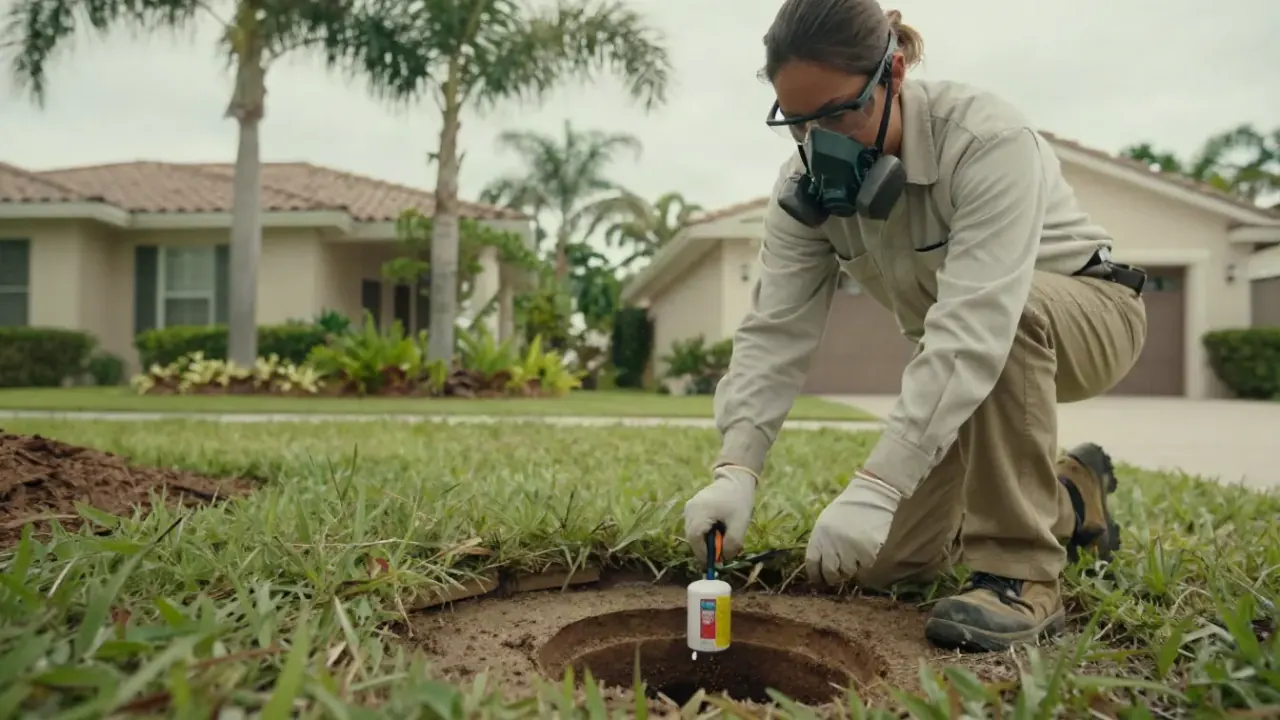
We inspect the attic and crawlspace, confirm drywood activity in multiple locations, and tent the full structure including the lanai. Sealing the lanai separately is the step most crews skip. The colony clears in one pass, the trim is replaced and treated with borate wood treatment, and the homeowner gets a clearance certificate for their records.
We inspect, quote by structure size, and schedule the tent crew around the closing date. Prep guidance goes to the seller, and we coordinate access with the agent. The structure clears, the clearance letter goes to the lender, and the sale closes on schedule instead of slipping a week.
We tent the unit between leases, handle the prep list with the property manager, and set termite bait stations around the foundation afterward to intercept future activity. One weekend of lost bookings instead of a recurring spring problem, plus a documented treatment history for the owner.
We inspect what was treated, find the hidden colony the spot spray missed, and run a full tented fumigation with monitored gas concentration and a thermal imaging camera check. The recurring activity stops, and the warranty plus clearance certificate replaces the failed treatment record.
Tenting a home in tormond beach is different from tenting one inland. Salt air and year-round humidity keep wood moisture high, which is exactly the condition drywood and subterranean termites need, so we see active colonies in houses that look perfectly maintained. The building stock matters too: older block-and-frame homes near the Halifax River have deep attic cavities and crawlspaces that need separate sealing, while newer stucco homes closer to the sand have screened lanais and attached garages that have to be tented as part of the envelope. Spring swarmer season is our busiest window, and we book tent crews weeks out, so if you are searching for whole house termite tenting tormond beach 24/7 scheduling around a closing or a lease turnover, call early and we will block the dates. We also coordinate with local real estate agents on WDO reports, because a live-activity finding can stall a sale until the structure is cleared and documented.
Older block-and-frame homes with deep attic cavities and mature landscaping. Crawlspaces here often need separate sealing, and we check sill plates closely because they sit closest to soil moisture.
Beachside properties with screened lanais, attached garages, and salt-exposed trim. Each attached space has to be tented as part of the envelope, which adds prep time but prevents a failed hold.
Homes near the river hold higher humidity and see more subterranean pressure. We pair fumigation with soil treatment chemicals and bait station monitoring on these properties.
Short-term rentals turn over fast, so we schedule tenting between leases and handle prep with the cleaning crew. One lost weekend beats a recurring spring swarm problem.
Wood stays above the moisture level termites need, so colonies establish faster and spread further before a homeowner notices. We use a moisture meter on every inspection and treat damp framing as a priority.
Reproductive termites release in a narrow window each spring, which is when new colonies start. Booking a tent crew early in the season is the difference between a scheduled job and a wait.
Wind off the ocean stresses tent seams and seals. We add extra tie-downs and monitor the envelope during the hold to keep gas concentration where the label requires it.
More void space means more places for a colony to hide and more sealing work during prep. We budget extra time for these homes so the hold is not rushed.
A 1960s block home near the beach had frass piles under window trim in three rooms and soft wood by the lanai. Two previous spot treatments had failed, and the homeowner was told the whole house needed to come apart.
We tented the full structure including the lanai, held the gas concentration for the full exposure period, and cleared the house in three days. The damaged trim was replaced and treated with borate wood treatment. No termite activity on the follow-up inspection.
Maintenance: Bait stations around the foundation, checked on a set schedule, plus a moisture meter check on the lanai framing each spring before swarmer season starts.
A buyer's WDO report flagged live drywood termites in the attic framing two weeks before closing. The seller had no treatment history, and the lender would not clear the loan without a documented clearance.
We inspected the same day, quoted by structure size, and tented the house inside the closing window. The clearance certificate went to the lender, and the sale closed on the original date instead of slipping a week.
Maintenance: Keep the clearance certificate and warranty with the closing documents, and schedule an annual inspection so the new owner has a clean treatment history.
A short-term rental in Ormond-by-the-Sea had swarmers showing up every April, and the property manager was losing bookings to repeated treatments that never held. Tenants kept reporting winged insects inside.
We tented the unit between leases, handled prep with the cleaning crew, and cleared it in two days. One weekend of lost bookings replaced a recurring spring problem, and the owner now has a documented treatment record for the property.
Maintenance: Bait station monitoring around the foundation and a pre-season inspection each March, before the swarmer window opens.
Most calls start the same way: a homeowner finds something they cannot explain and wants to know how bad it is. Here are the four problems we see most on the beach corridor, and what we do about each.
Framing hollows out from the inside for years before anything shows on the surface. By the time you see sagging trim or a soft door header, the repair bill is already climbing. We confirm the species, then tent the structure so the fumigation gas reaches every void at once. One sealed pass kills the colony, and we follow with borate wood treatment on exposed framing after the tent comes off.
Winged swarmers mean a mature colony is releasing reproductives. Ignore it and you get satellite colonies in the attic, the garage, and eventually the neighboring structure. We inspect for the source, tent the structure if activity is spread through the house, and set termite bait stations around the foundation to intercept the next generation before it establishes. Spring is our busiest booking window, so we schedule early.
Frass means an active drywood colony is pushing waste out of the wood right now. It is the clearest sign of live activity, and it usually means more colonies exist elsewhere in the structure. We map every kick-out hole and frass pile during inspection, then fumigate the whole structure rather than spot-treating the visible holes. Spot treatment leaves the hidden colonies alive, and they resurface within a season.
A failed spot treatment means you paid once and still have termites. Repeated activity also raises questions at resale, and a buyer's inspector will flag the history. We inspect what was done, identify why it failed, and run a proper tented fumigation with monitored gas concentration. You get a clearance certificate and a warranty, which is what closes the file for good.
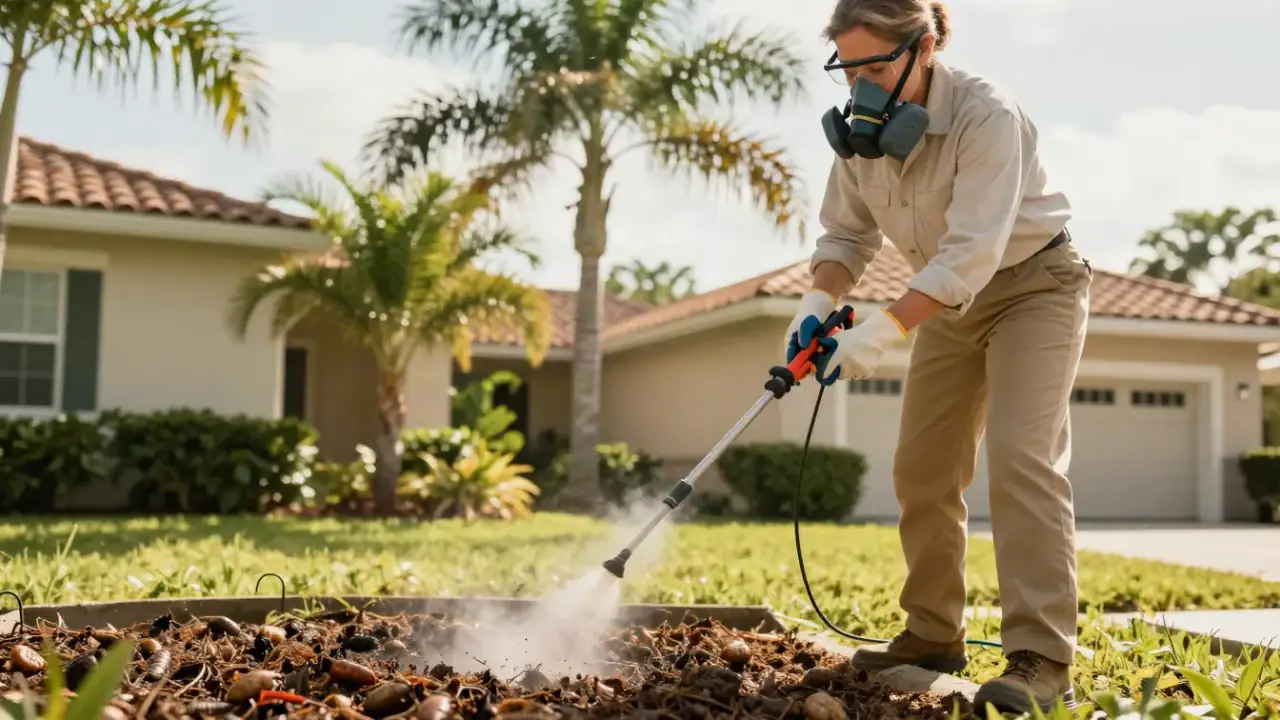
Our technicians hold Florida Department of Agriculture Pest Control License credentials and work under NPMA Certified and QualityPro standards, with OSHA Safety Compliance training on every fumigation job. We run thermal imaging camera surveys and moisture meter readings on every inspection, because drywood activity in coastal Volusia County rarely shows itself on the surface. We know how block-and-frame beach houses vent, where attic framing stays damp, and which neighborhoods see swarmers first each spring. That local pattern recognition is what tells us whether a house needs a full tent or a targeted drywood treatment.
Most tormond beach homes are tented and cleared in two to three days total, with the gas hold itself running roughly 18 to 24 hours. Prep takes about half a day, and aeration and clearance testing usually finish the same day the tarps come down. Larger homes, attached garages, and screened lanais add time because each space has to be sealed and monitored separately.
Yes, once the structure clears. Pets, people, and plants all leave during the gas hold, and nobody returns until our monitors read clear and we issue a re-entry time. Fumigation gas leaves no residue on surfaces, so you do not need to wash counters or walls afterward. Bag or remove pet food, bowls, and medications during prep, and keep pets off the property until we give the all-clear.
Typical 2026 pricing in this area runs $1,200 to $3,500 for a single-family home, based on square footage, roof style, and how many attached spaces need sealing. A simple 1,400-square-foot house sits near the low end; a two-story home with a garage and lanai runs higher. We quote by structure, and the price includes prep guidance, tenting, gas, aeration, and the clearance certificate.
Yes. Everyone leaves for the gas hold and stays out until we clear the structure, usually two nights for a standard home. You can leave furniture, clothing, and most belongings in place; just bag food, medications, and pet supplies. We give you the exact out-time and re-entry time before we start, so you can plan work, school, and pets without guessing.
Not seeing your question? Our local team can help you understand urgency, scheduling and what to expect.
Ask the local team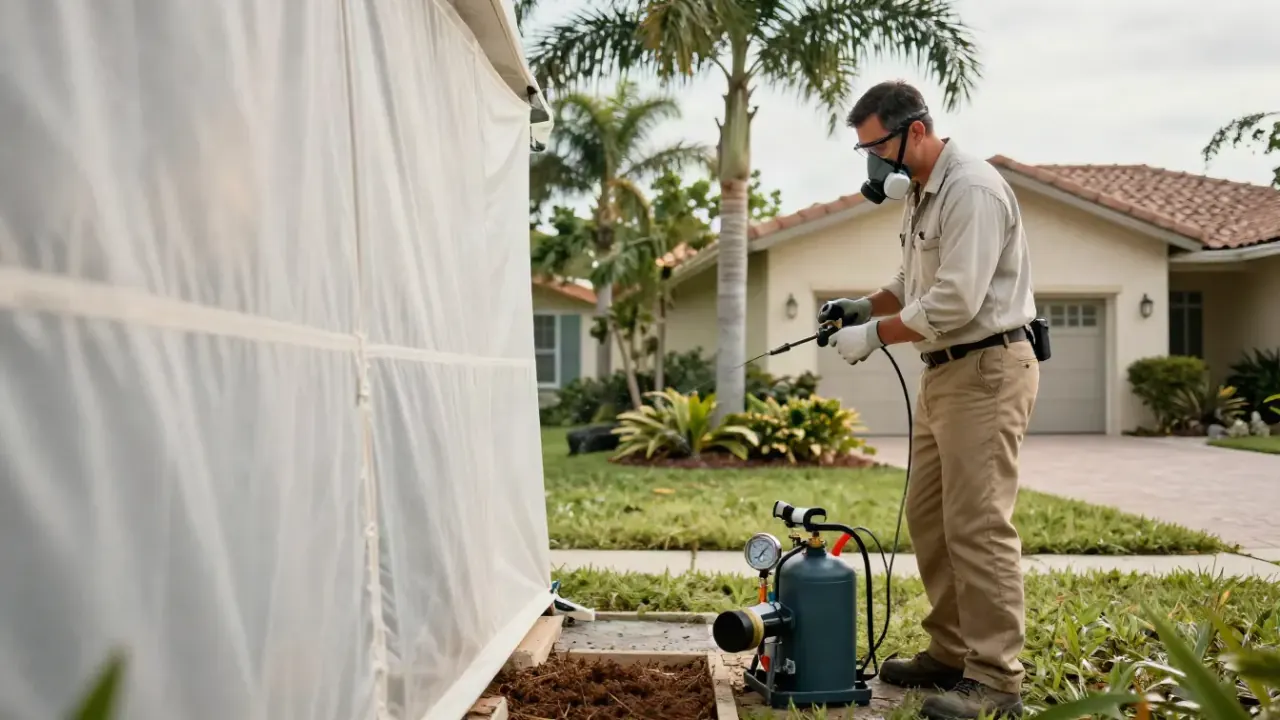
A State Certified Termite Inspector checks attic framing, sill plates, and crawlspaces with a moisture meter and termite probes before we recommend tenting. If the activity is limited to one area, an inspection can save you the cost of a full fumigation and point us to a targeted fix instead.
View serviceNot every tormond beach home needs a tent. When activity is localized, we use termiticide, foam insecticide, and borate wood treatment on the affected framing. We tell you honestly which option your house needs, and we do not sell a fumigation to a house that a targeted treatment will clear.
View service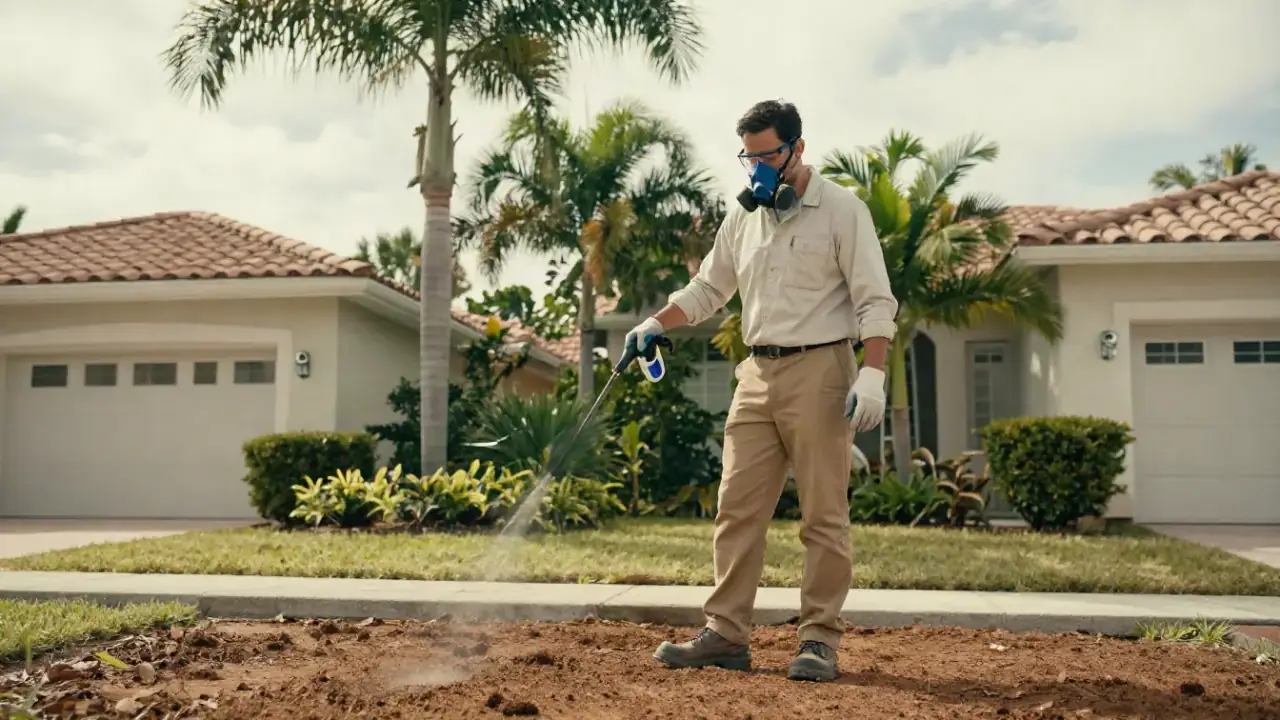
Subterranean termites come up from the soil, so tenting alone will not keep them out. We install termite bait stations and soil treatment chemicals around the foundation, then monitor the system. That ground-level barrier is what protects a tented home from the next colony moving in.
View serviceDrywood colonies live inside the wood, which is exactly why fumigation works so well on them. After the tent comes off, we treat exposed framing with borate wood treatment and seal accessible gaps with caulk and sealants to close the entry points a new swarm would use.
View service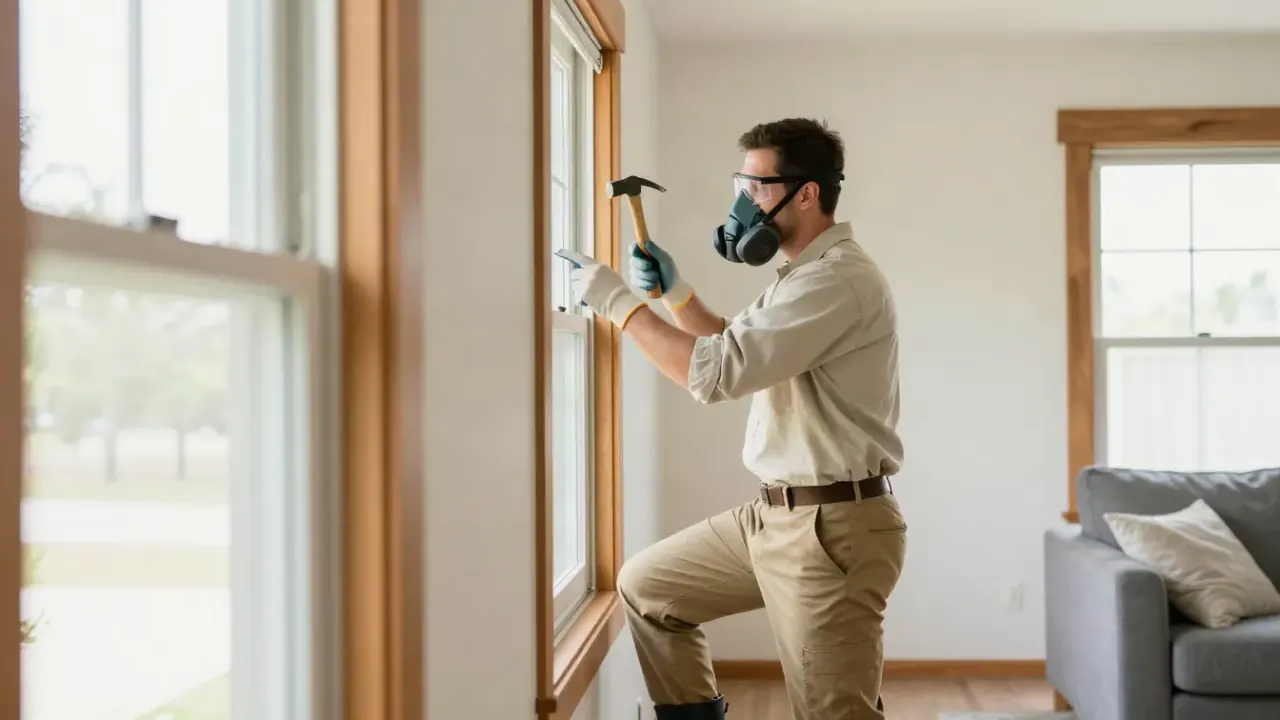
Call us at +15206081389 or send a message and we will get back to you the same business day. We answer emergency termite calls 24/7, and most inspections in tormond beach get scheduled within 24 hours. Tell us what you are seeing and we will tell you what it likely is.